
Life is full. Beautifully, wonderfully, (exhaustingly) full.
And somewhere in the middle of all that fullness, most of us have stopped leaving any gaps.
I’m not immune to this. When I’m not creating conscious awareness around it, I slip back into my old rushing default mode. One task straight into the next, no pause, no moment that’s just mine. And I’ve noticed what that costs me. I end up depleted, a little exhausted, and honestly a little grouchy (when we substitute the name Olivia for Oscar 😉).
What I’ve come to understand is that this isn’t a willpower problem. It’s a biology problem.
Our bodies and brains were never designed for this pace
Here’s the science: your brain operates on a 90-minute biological cycle called an ultradian rhythm. After 90 minutes of focused work, your brain enters a natural trough and needs to rest and consolidate. When we push through that signal — which most of us do, every day — we deplete our neurotransmitters, error rates rise sharply, and stress hormones like cortisol flood in.
That foggy, flat, “why am I working so hard but getting nowhere” feeling? That’s your biology asking for a break.
The simple fix: set a gentle reminder on your phone every 90 minutes. When it goes off, step away. Even for five minutes. Research shows you’ll actually get more done in shorter, focused blocks than in long unbroken stretches.
But here’s what I really want to share with you. These little pauses aren’t just good for your output. They’re good for you. For how you feel. For how you move through your day.
I call them Pockets of Space — sometimes also my piccolo moments (because I’m quite partial to a little caffeine in a mini-mug... but these micro-moments will refuel you in an uplifting way without those caffeine jitters!).
Call them your burnout buffers. Micro-moments that go a long way.
Here are a few of my favourites:
🌬️ 1. Breathe: the fastest stress reset you have
We were born to breathe, and yet under stress we unconsciously hold our breath or breathe very shallowly. Two techniques I love:
The 4-7-8 method — inhale for 4 counts, hold for 7, exhale for 8. Because your exhale is longer than your inhale, it activates your parasympathetic nervous system — your body’s rest and digest mode.
The physiological sigh — a double inhale through the nose (two short sniffs), followed by a long slow exhale through the mouth. Researchers at Stanford University identified this as one of the fastest, most effective ways to reset your stress response in real time. The double inhale fully re-inflates the tiny air sacs in your lungs that deflate under stress, and the long exhale shifts your body out of fight-or-flight and back into calm. Two or three cycles is all it takes. You can do it hanging the washing, waiting for the jug to boil, or on a muted Zoom call.
Your breath is your way back to yourself.
🧘 2. A five-minute meditation to start the day
You may see perfectly curated morning routines on the internet... you know the ones? I want to be really honest with you — I definitely do not have one of those!
I like to sleep as long as I can, and then it’s kids, breakfast, out the door.
But what I have found achievable, and genuinely beautiful, is five quiet minutes before the day begins and becomes all about everyone else’s needs. Just to welcome it in. Sometimes outside on the deck in the morning dusk, listening to the birds, three big slow breaths and a stretch. This morning meditation is only five minutes — I can duck away to my bedroom to fit it in while breakfast is being devoured.
That’s it. That’s enough.
📓 3. Gratitude journalling: train your brain toward the good
There is genuine, stacked scientific evidence that the practice of noticing and recording what’s good in your life shifts your brain over time — strengthening the pathway to positivity and lessening that strong neural network to negativity that we already have (thanks, evolution!).
It’s not about toxic positivity. It’s about training your attention toward what’s working, rather than defaulting to what isn’t.
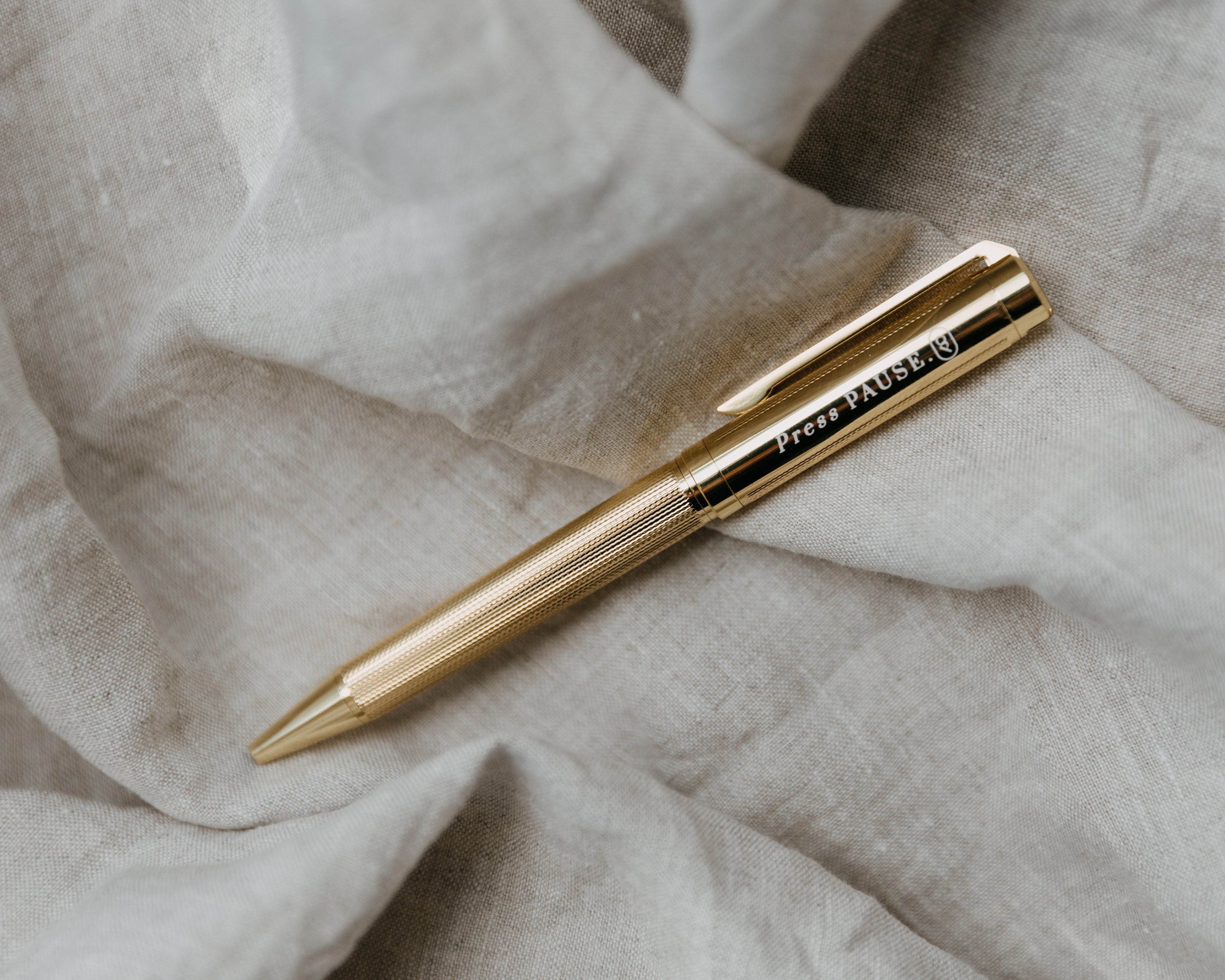
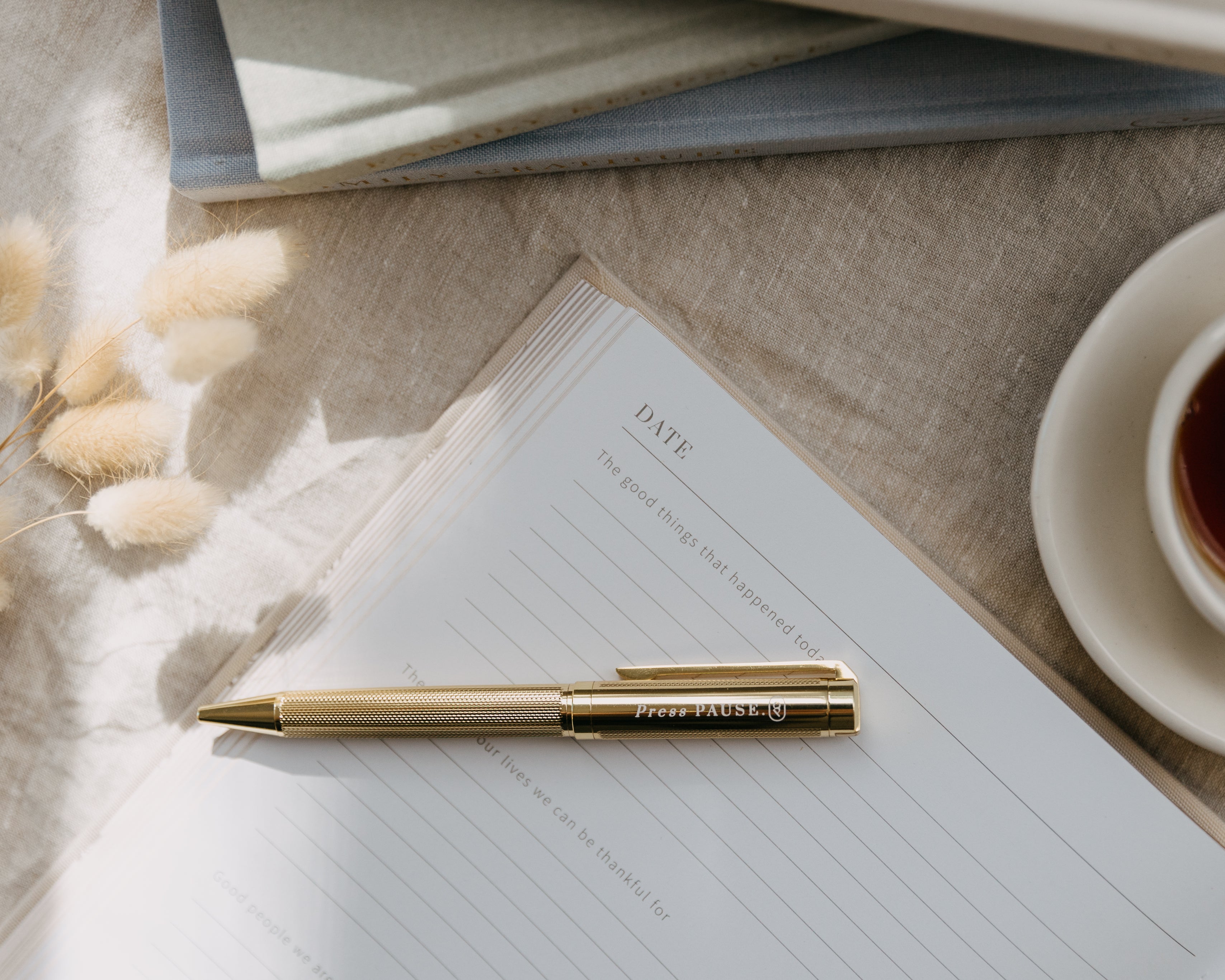
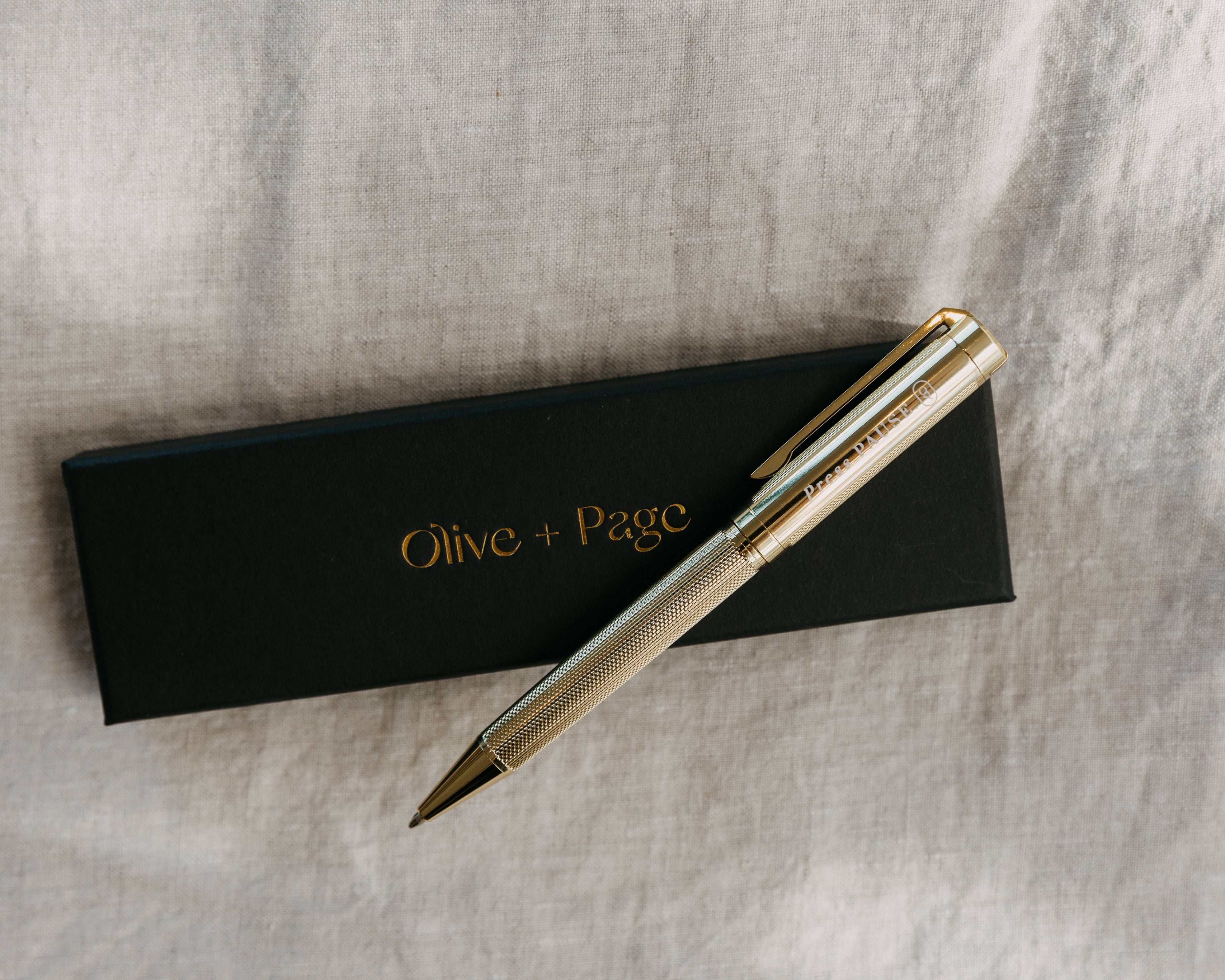
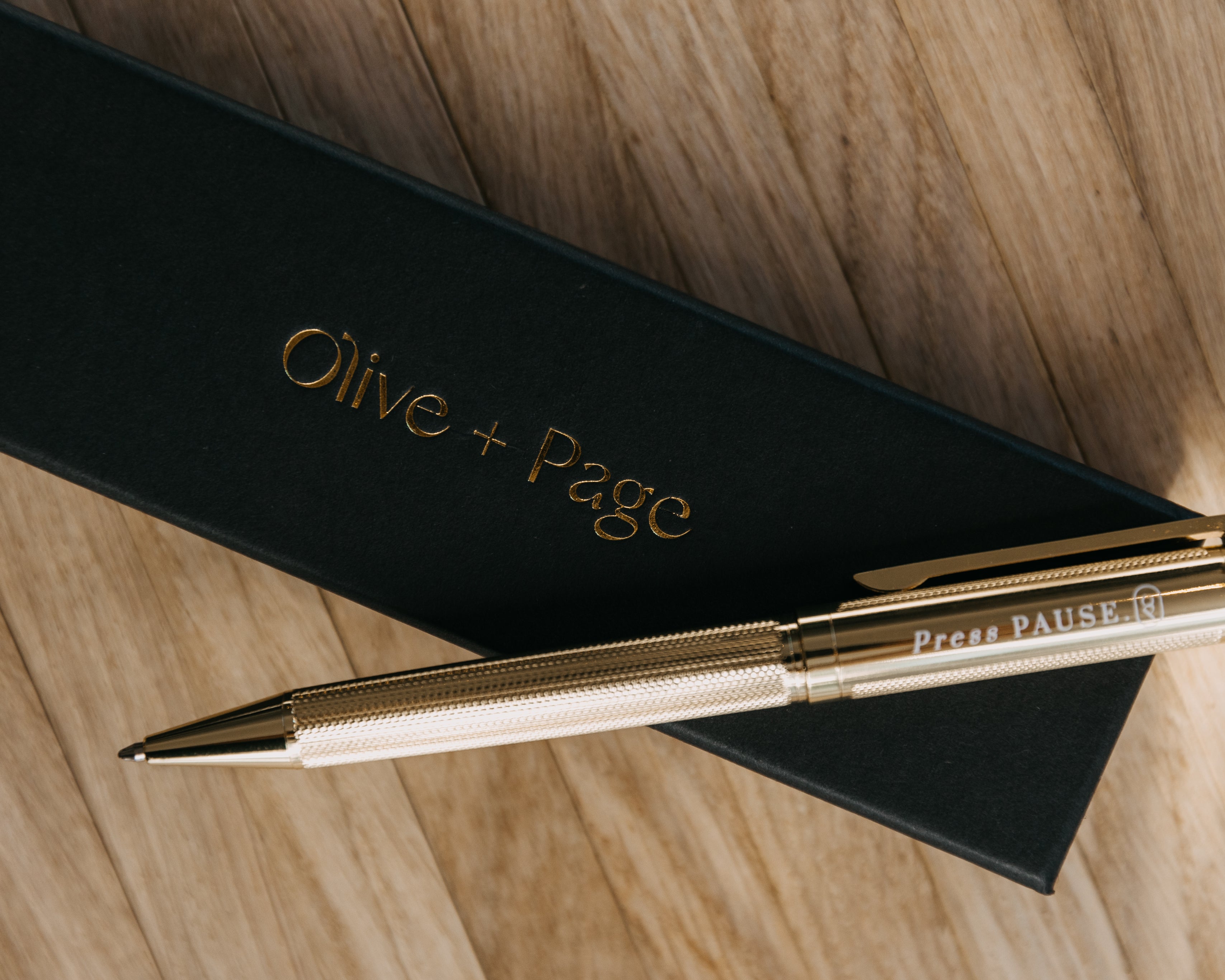
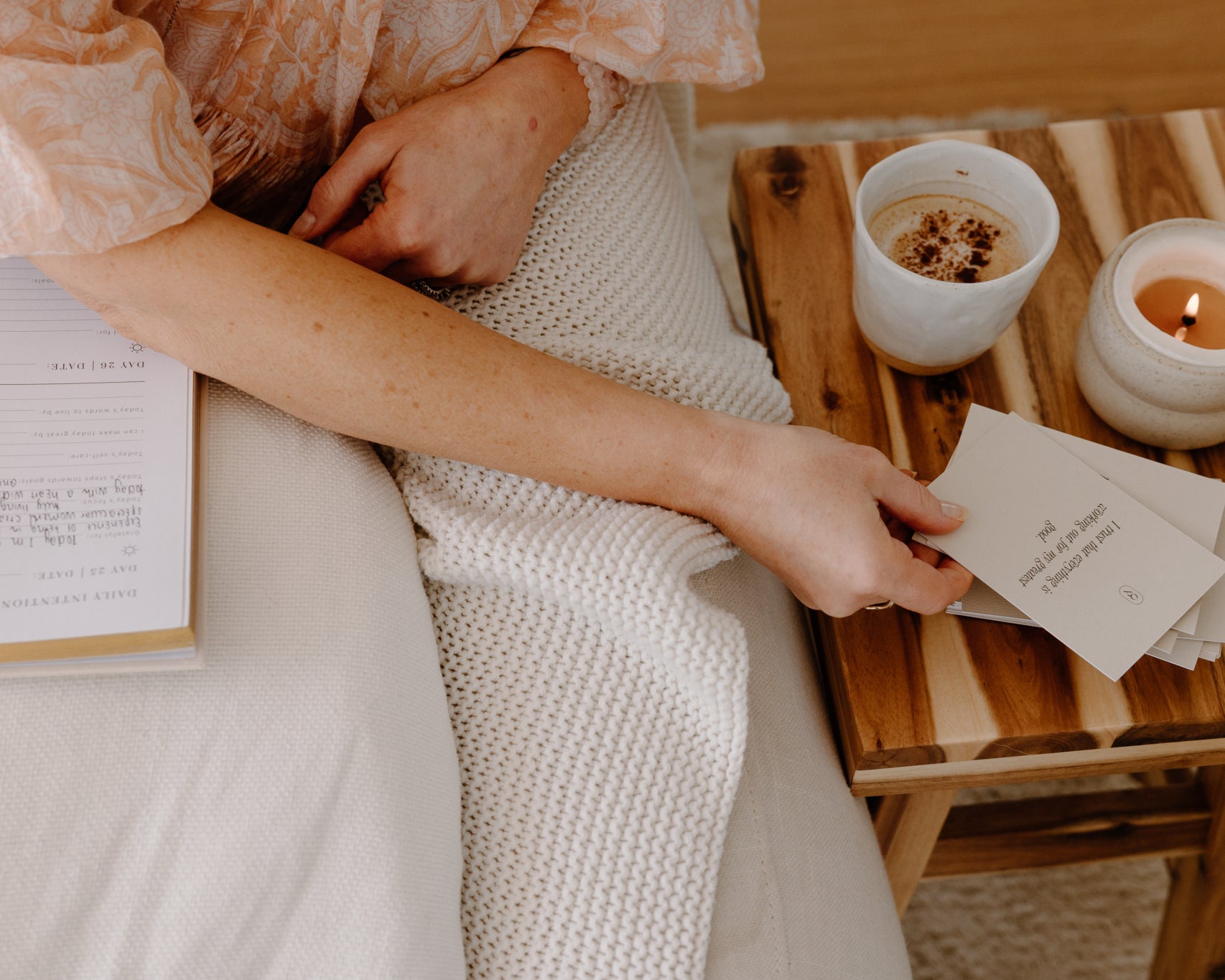
Pick up a pen. Write. Reflect on the good in your life and record little moments that were good in the last 24 hours. You might surprise yourself how many of those there actually are in just another ordinary day.
Small ritual. Big impact.
→ Our 100 Days of Gratitude Journal

☕ 4. Savouring: the positive psychology technique that builds resilience
Savouring is a technique from positive psychology — the practice of being fully, consciously present during a small moment of pleasure, intentionally stretching it out rather than rushing through it.
Here’s why it matters: research shows that the longer we can stay in a positive emotional state, the more resilience we build. We literally extend the time our nervous system spends in a good place, and that makes it easier to bounce back from setbacks, stress, and the hard days when they come.
It might be your morning coffee. Eating lunch away from your screen. A short walk where you notice what nature is doing around you. Or simply pressing play on a favourite song and actually listening — not as background noise, but as the moment itself. Research shows just nine minutes of music can measurably boost mood and shift your state.
For me, it’s an afternoon matcha before I go and collect the kids. I sit in my favourite corner of our home where the sun comes in, and I just be for five or ten minutes. No phone. No list. Just that.
Try it. Don’t rush it. Let it be enough.
🃏 5. A moment with your cards
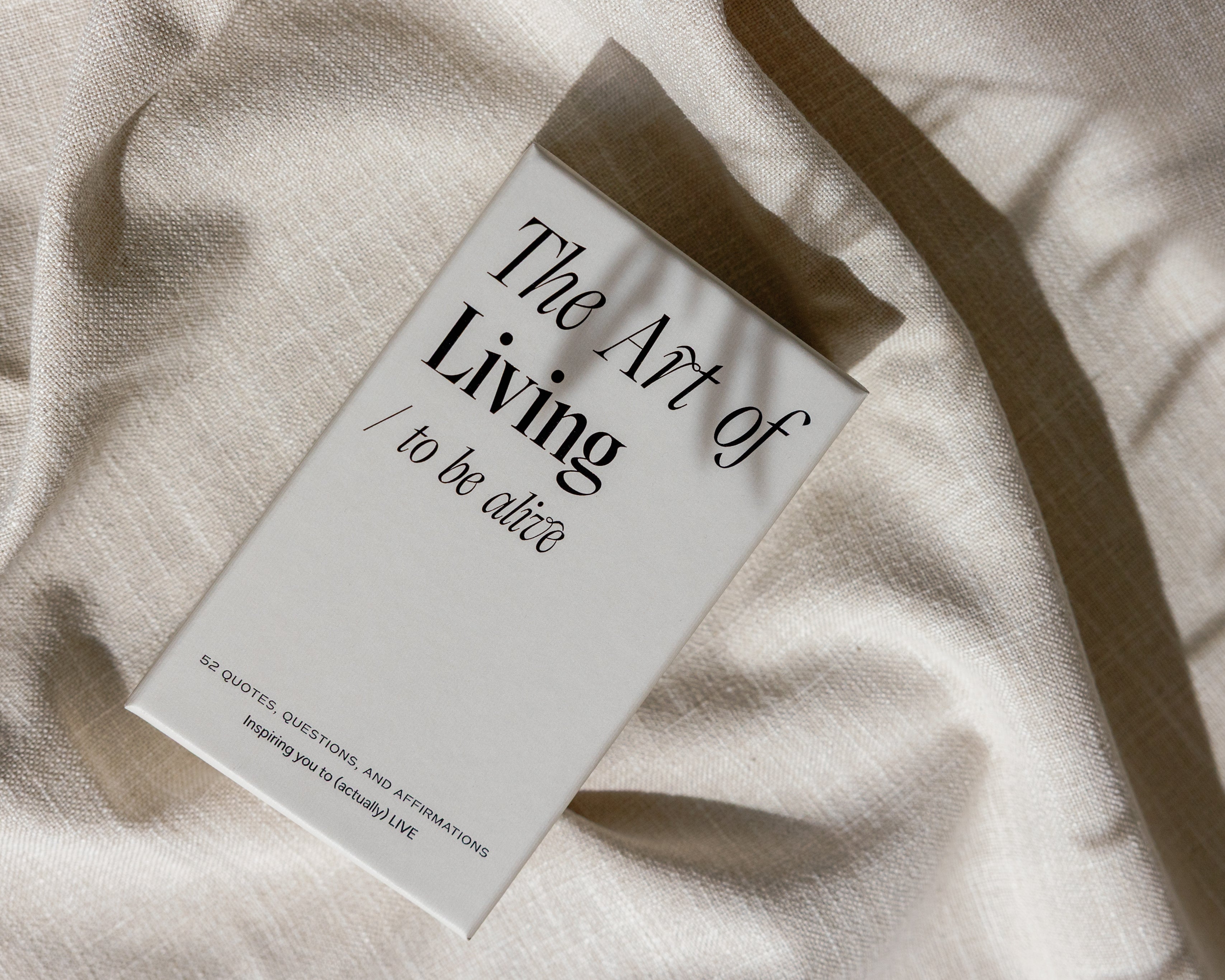
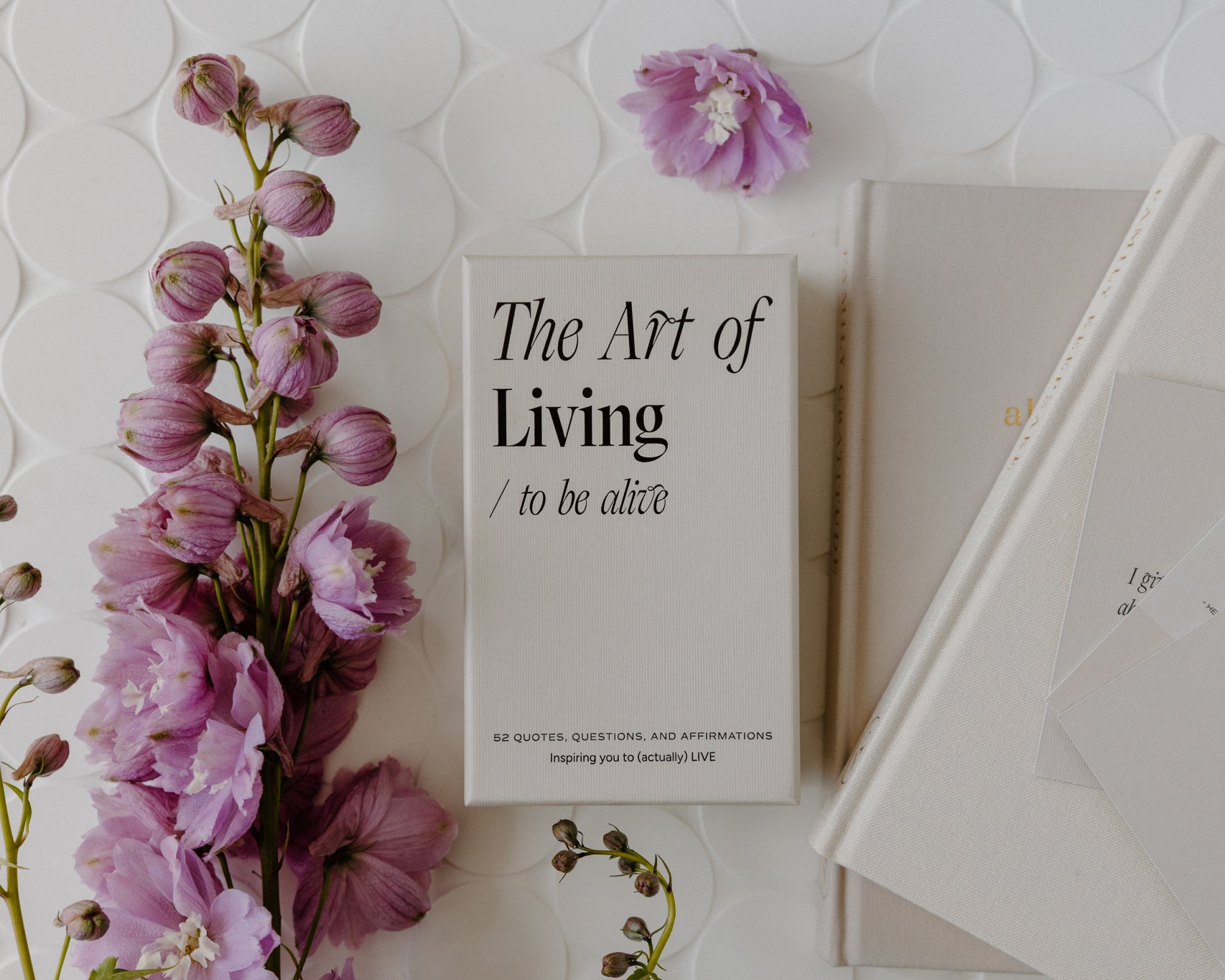
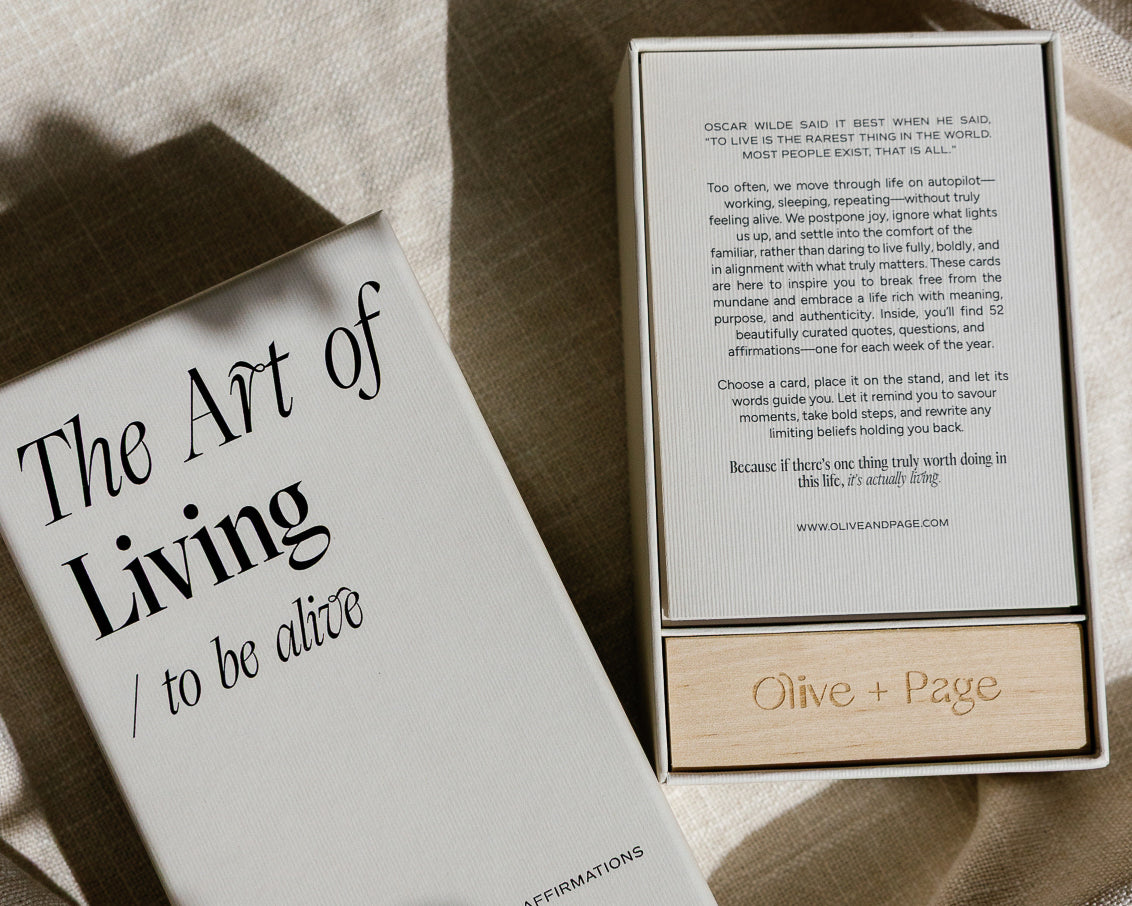
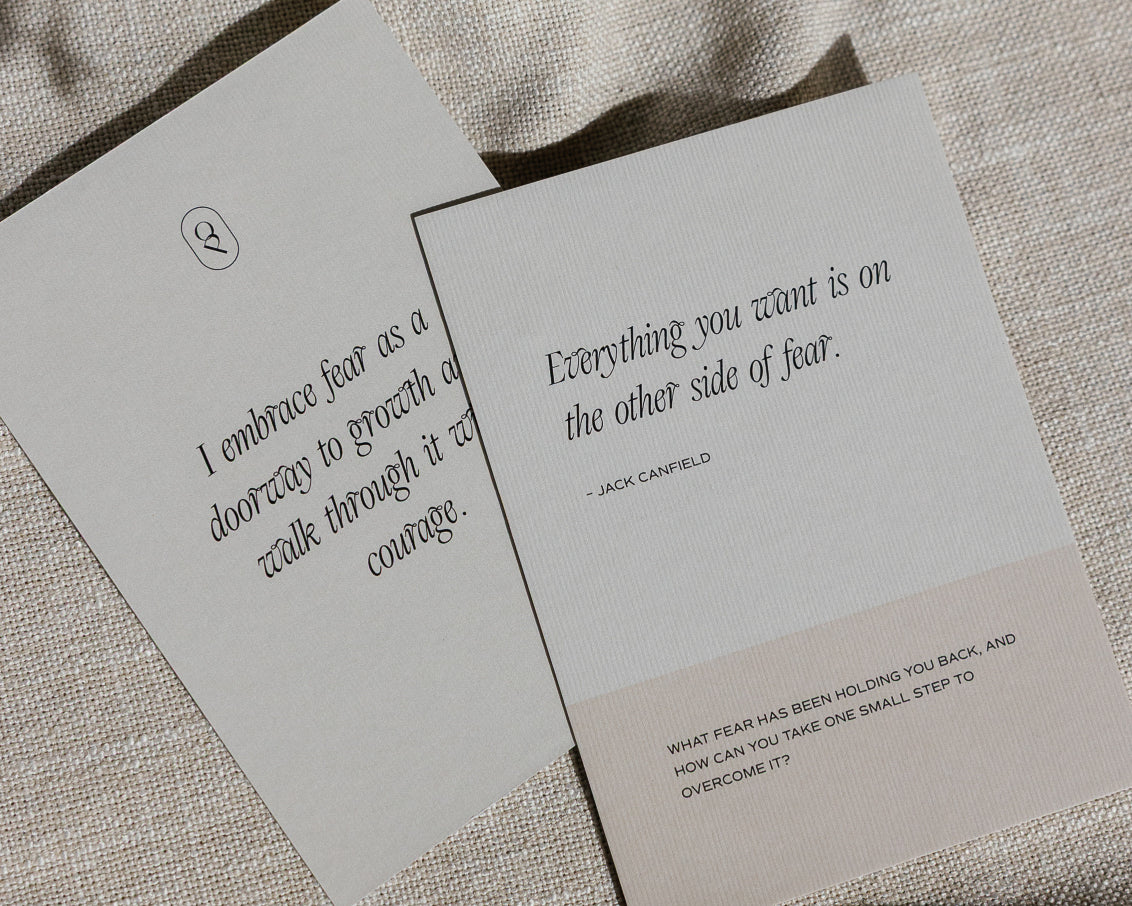
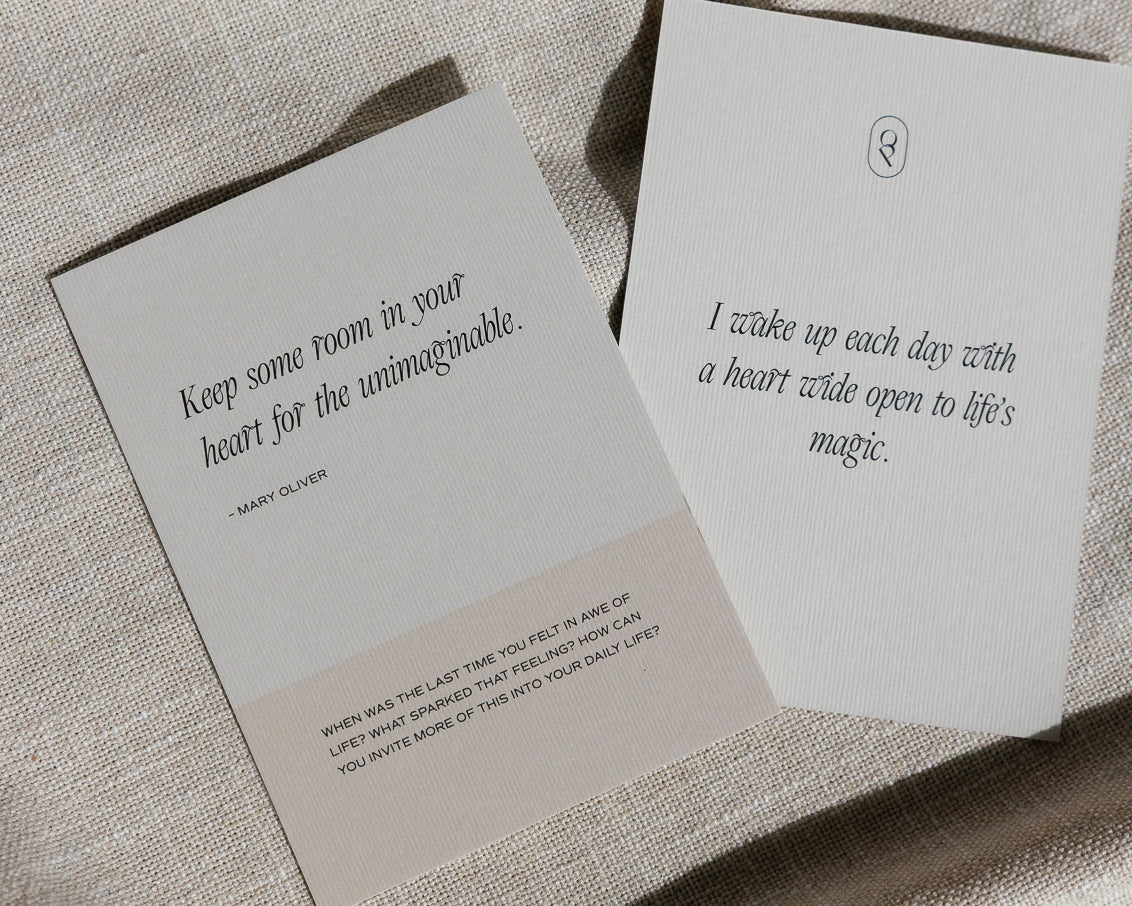
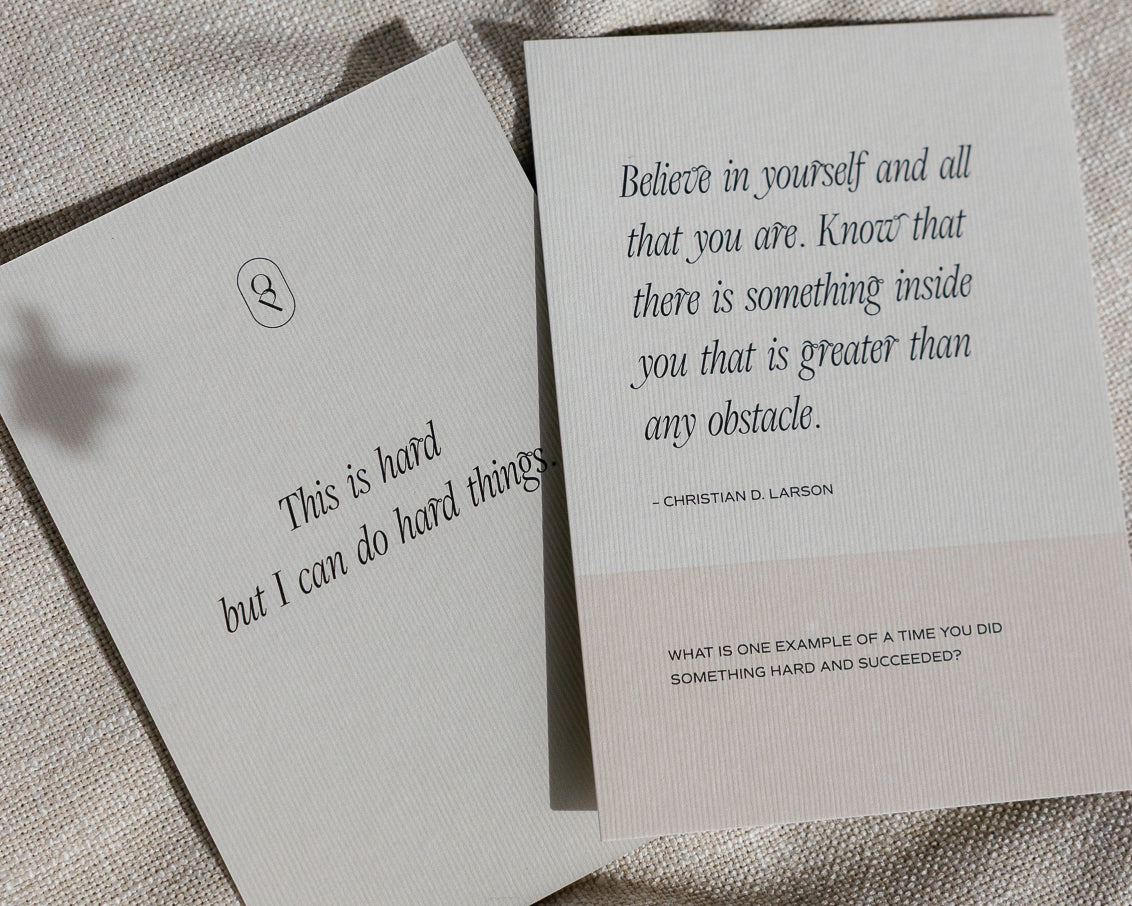
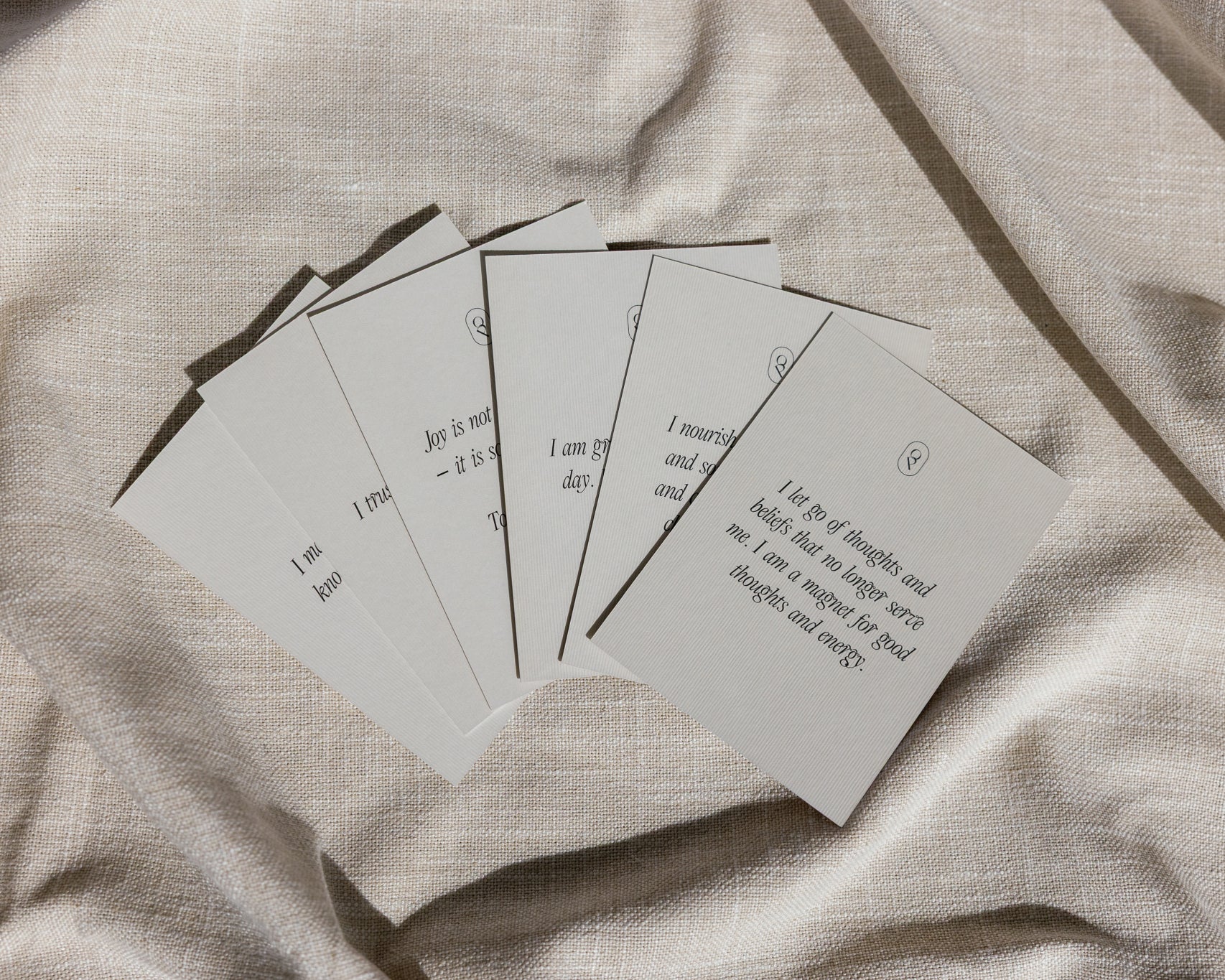
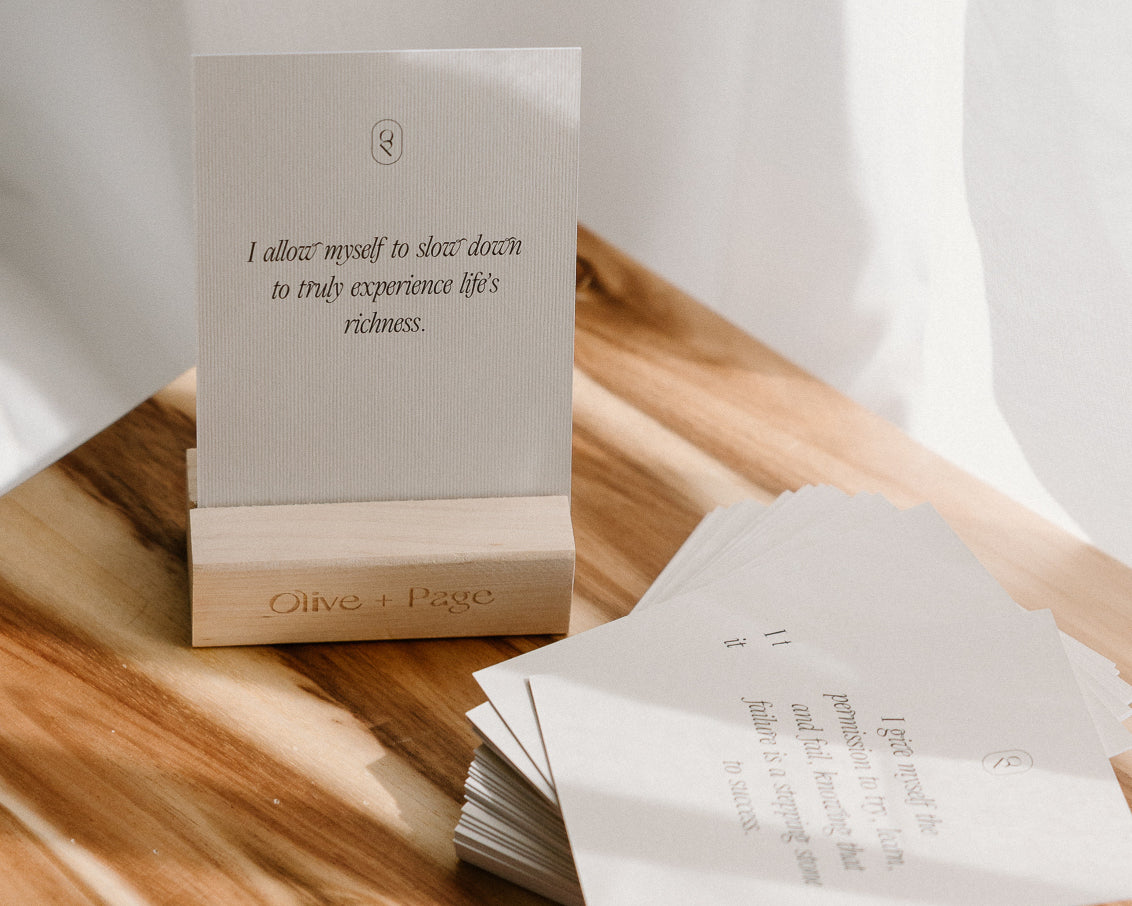
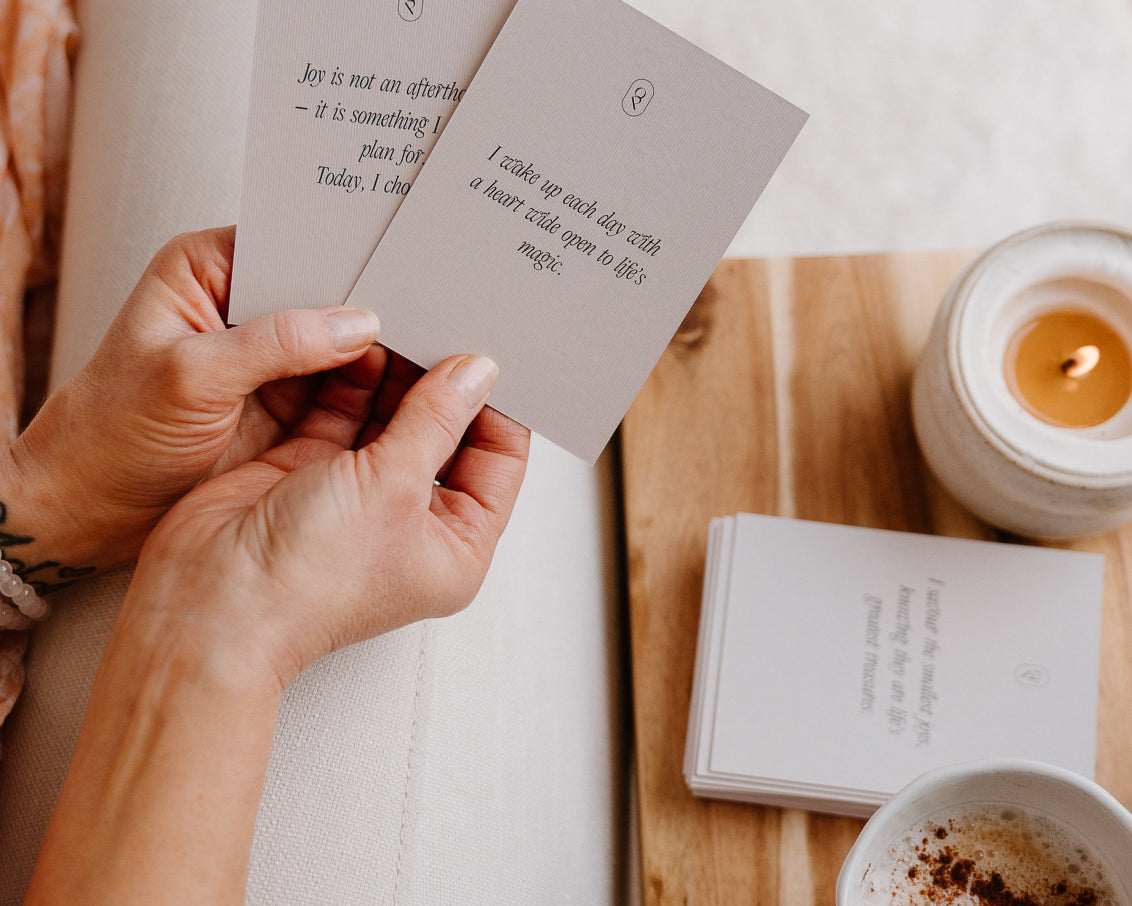
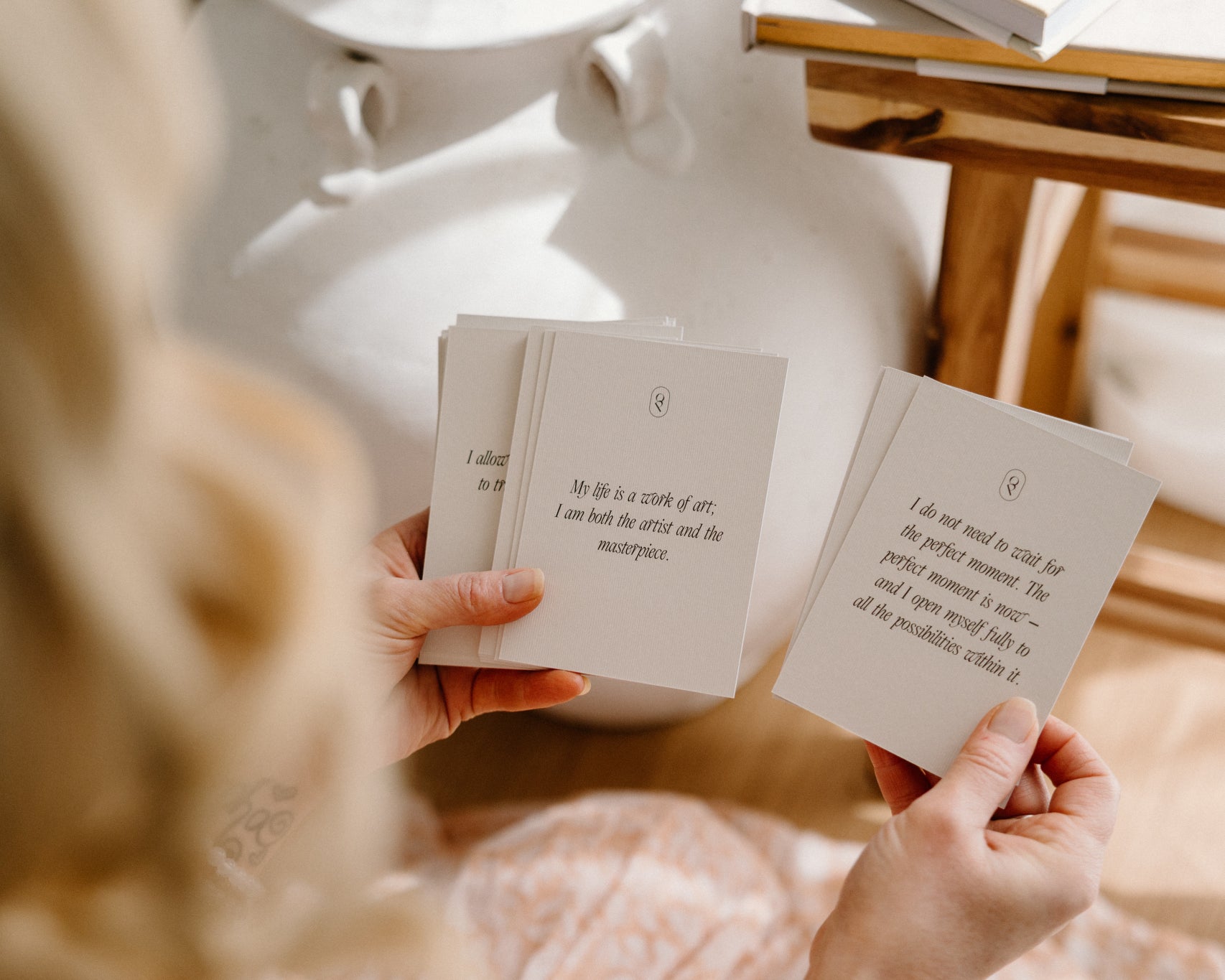
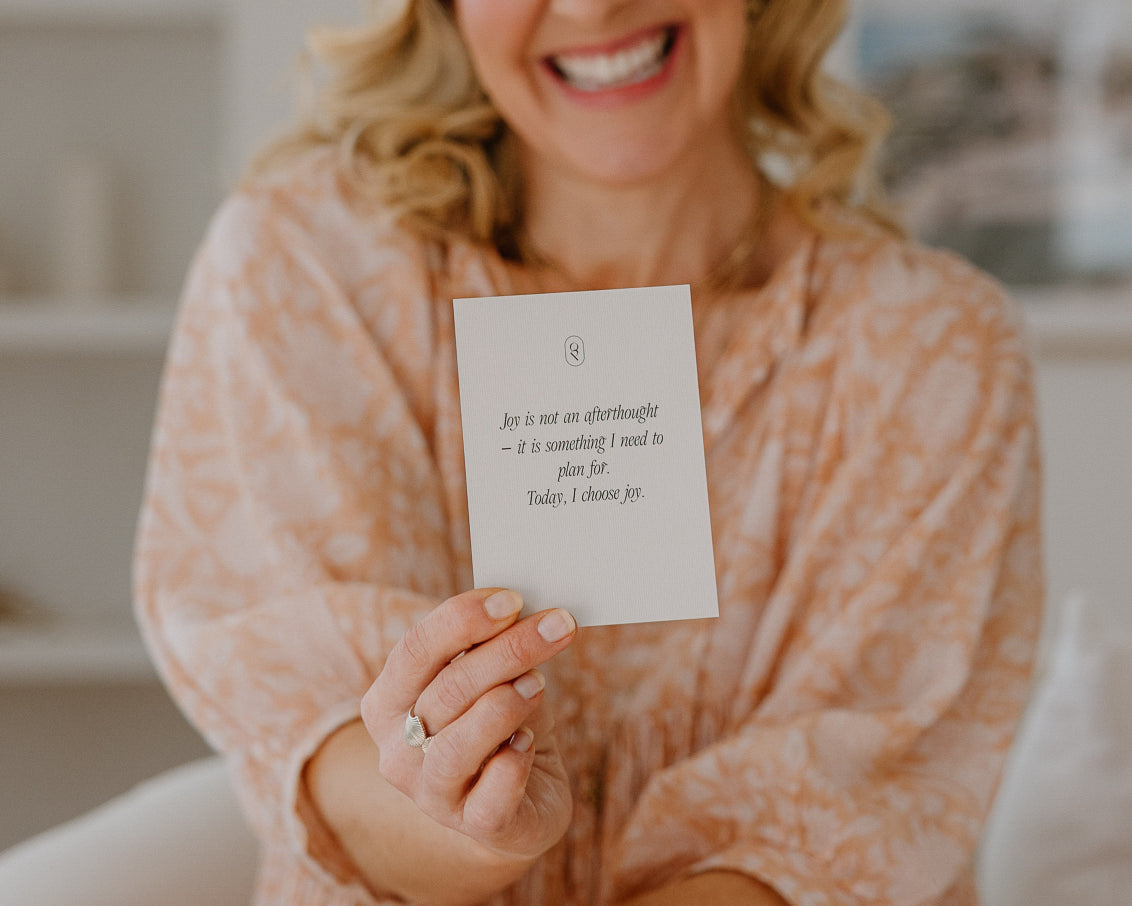
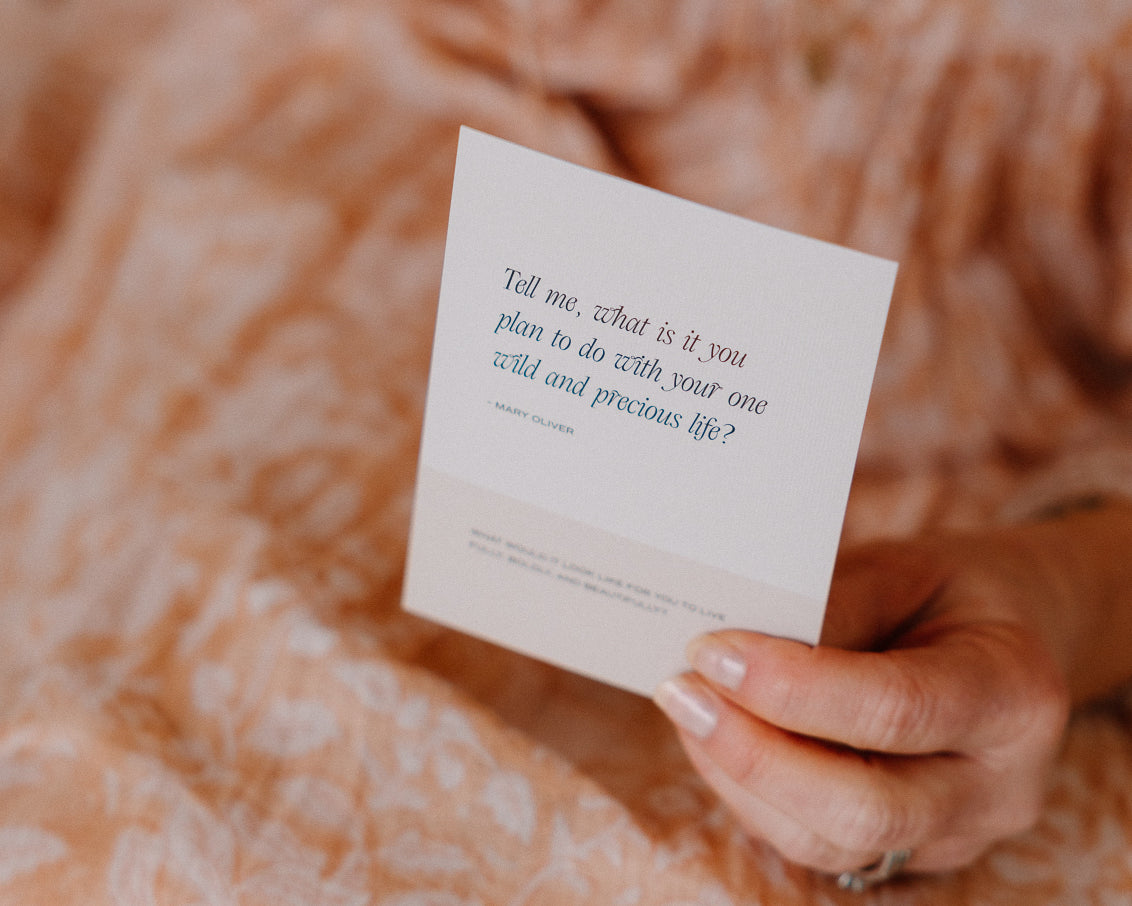
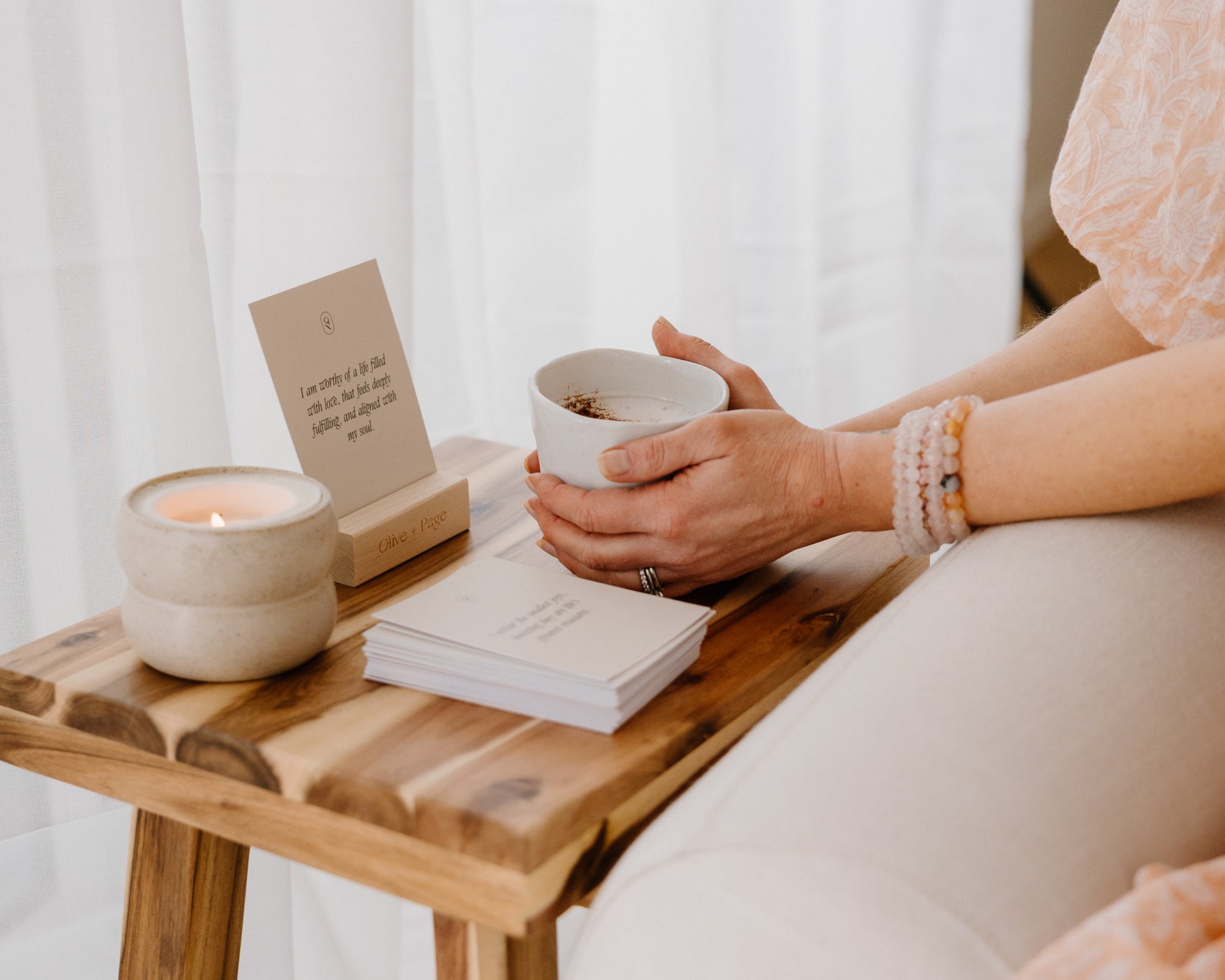
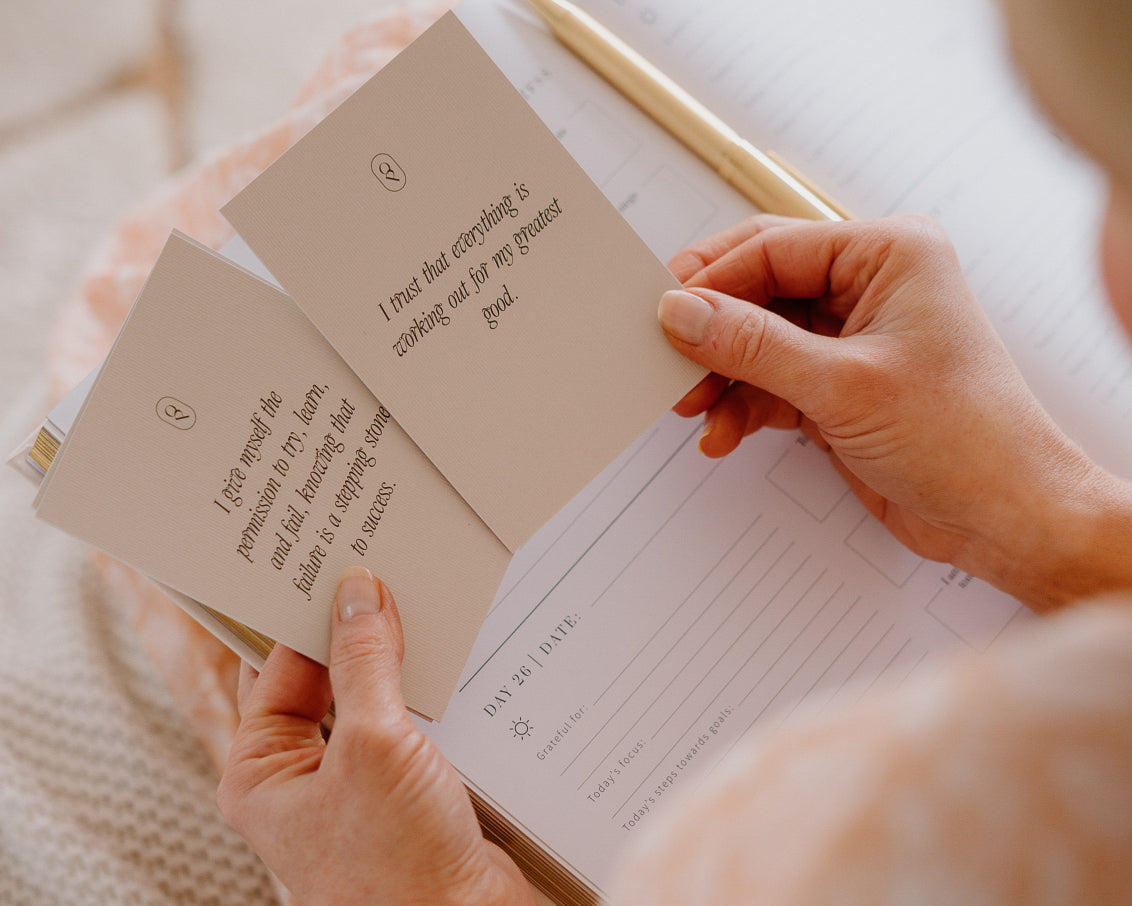
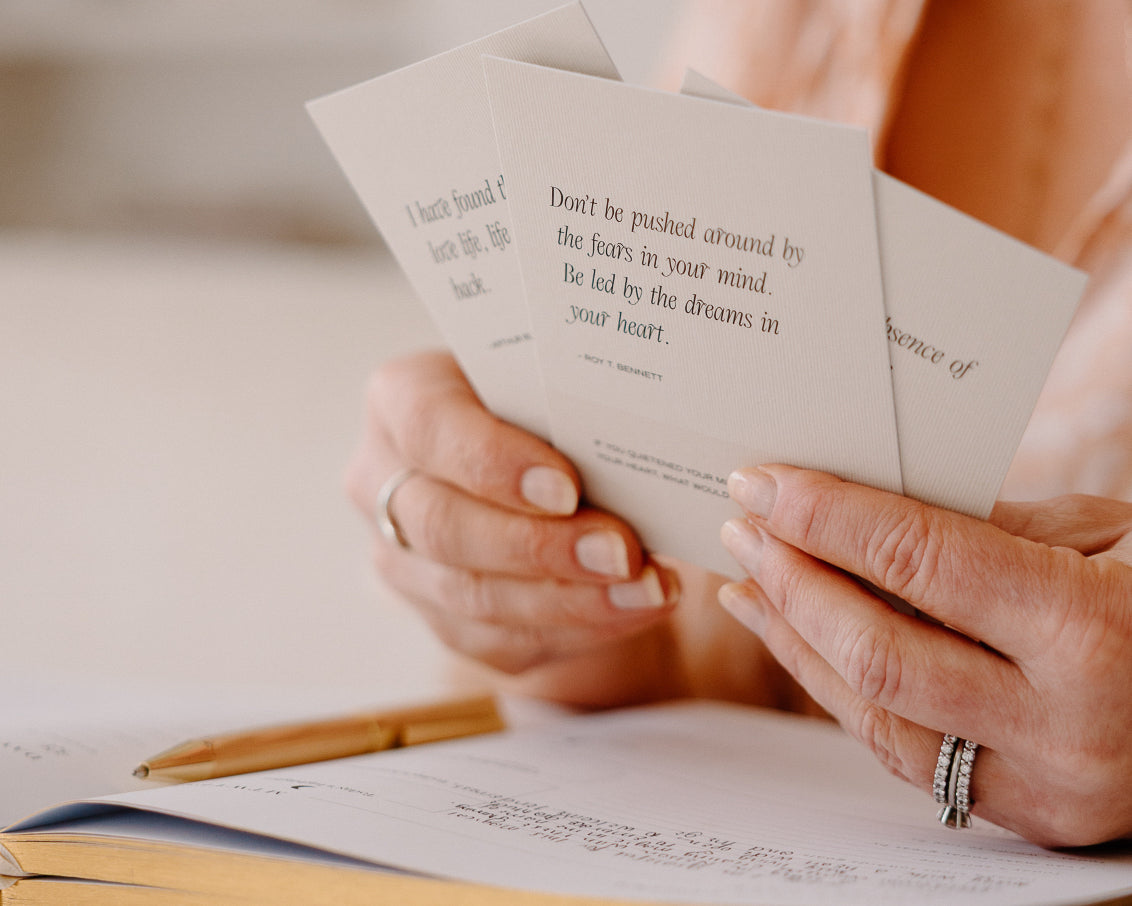
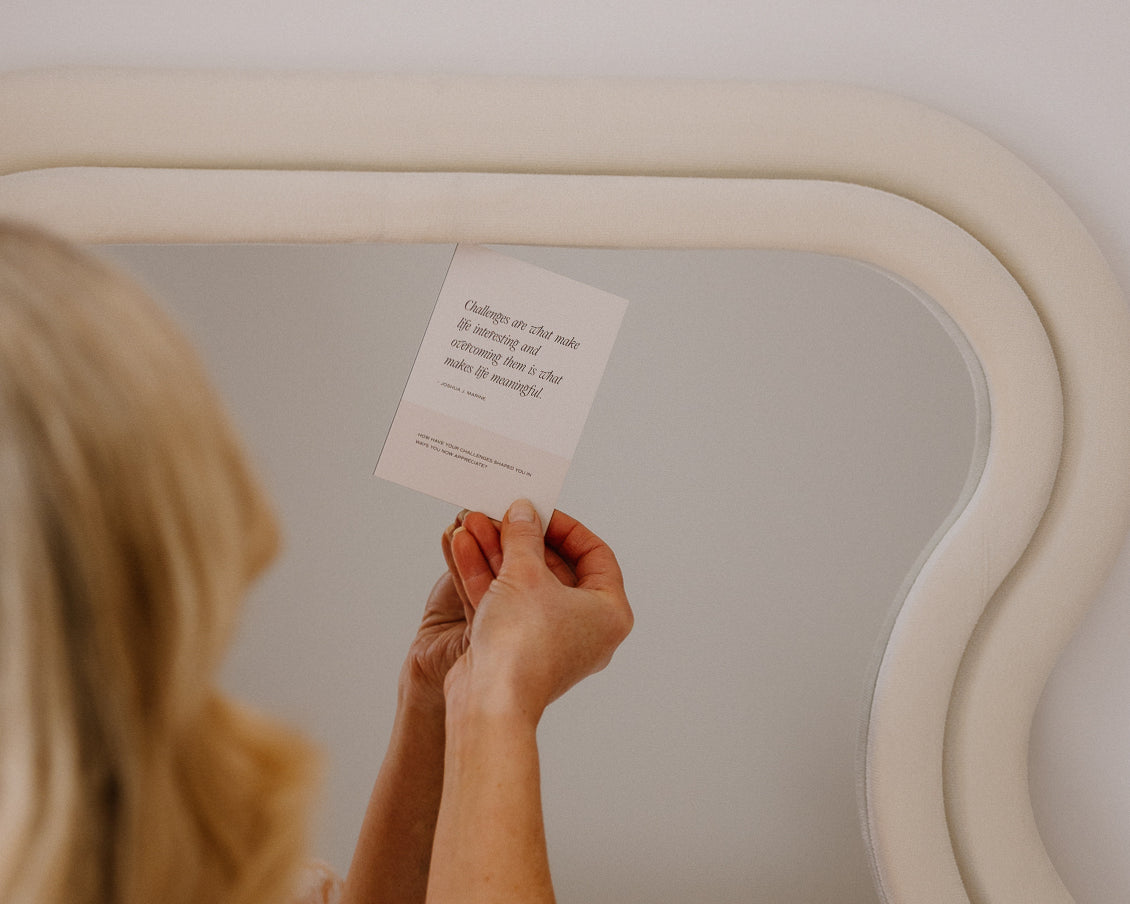
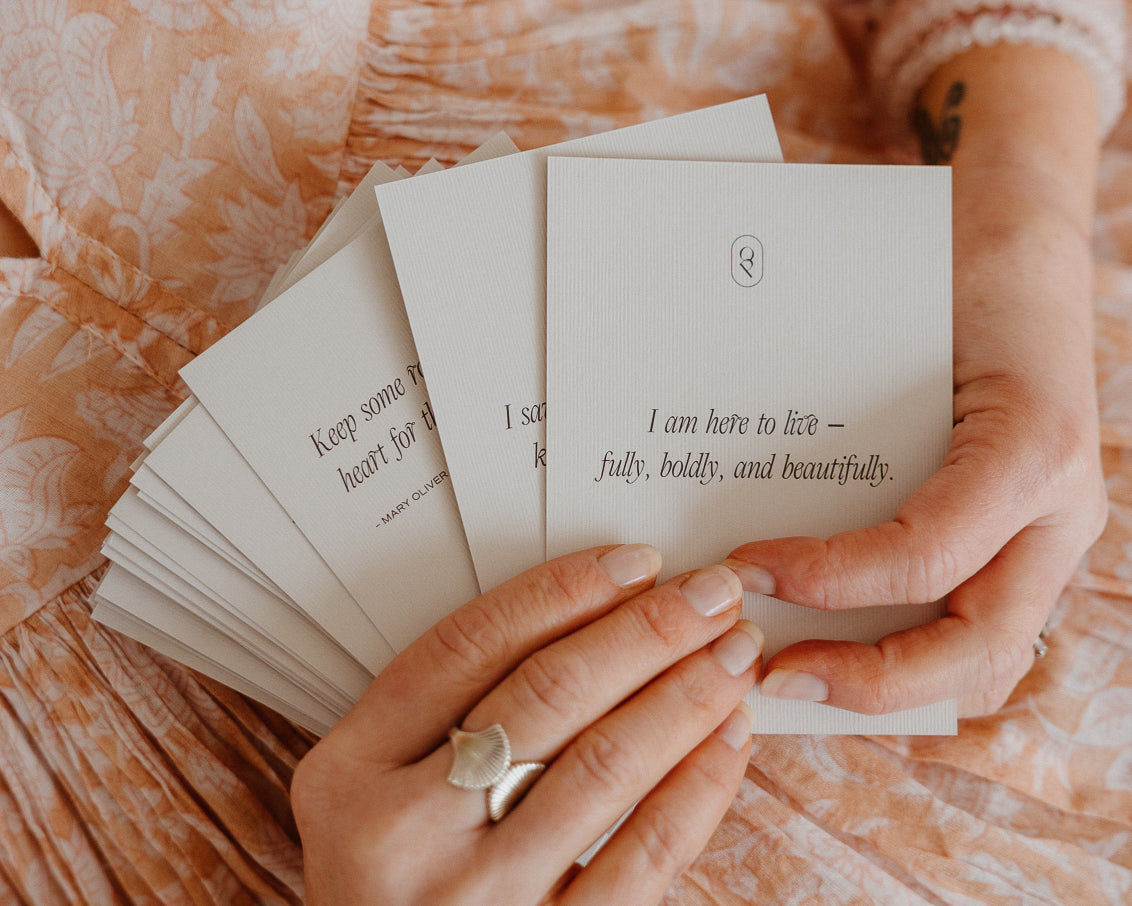
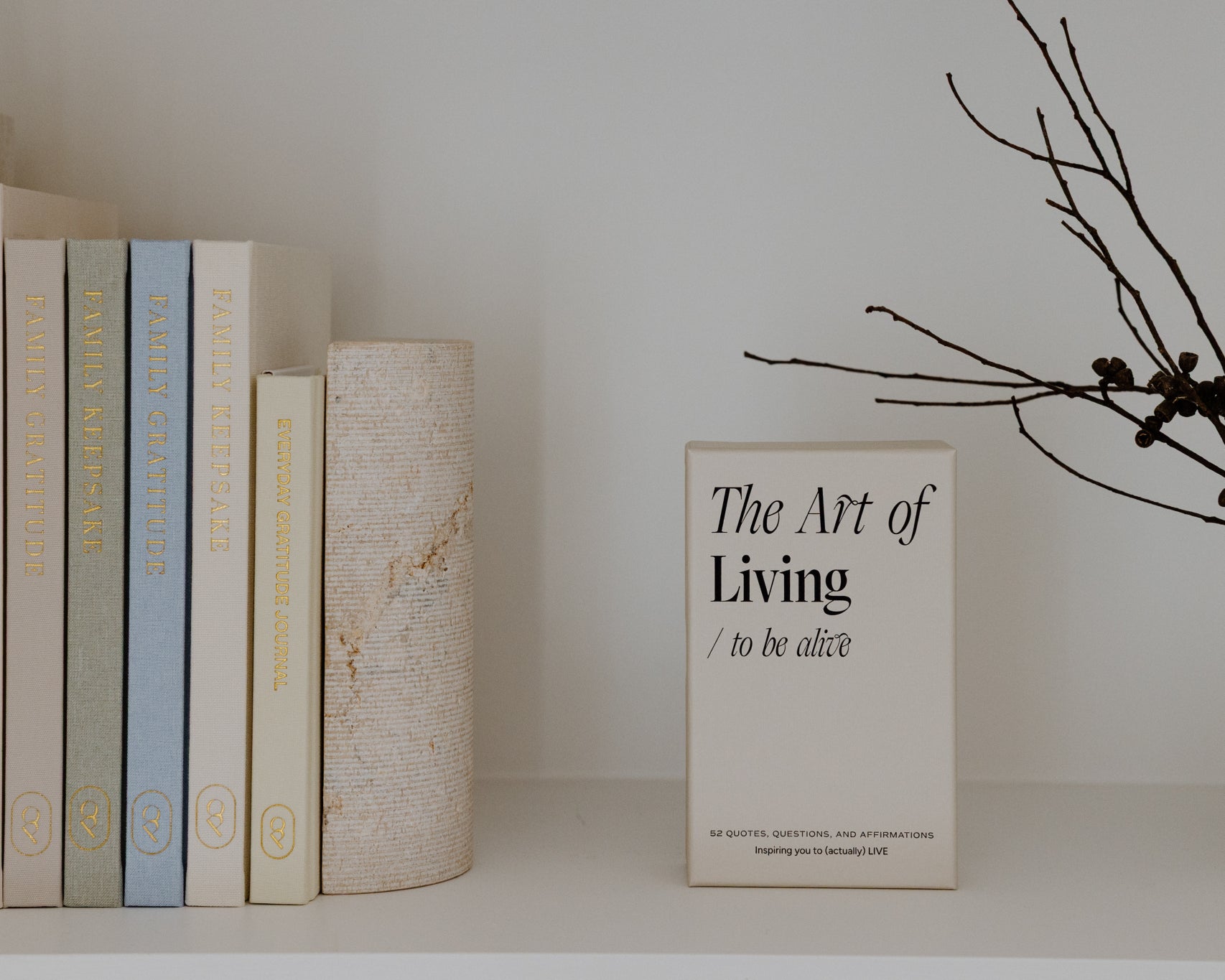
Flicking through our Art of Living Card Deck is one of those rituals that takes two minutes and somehow always gives me exactly what I needed to hear.
Pull a card. Let the words land. Notice which ones sing out to you — that’s often your intuition telling you something about where you are right now. Let it guide you gently through the rest of your day.
→ Shop the Art of Living Card Deck

🌿 6. Look up — and bookend your day without screens
Go outside. Look around. Look up.
We spend so much of our day with our eyes locked to screens at close range, but we were biologically wired to gaze into the distance. When we do, our nervous system follows. It calms. Ground yourself in your five senses. What can you see, hear, feel, smell? Nature is quietly therapeutic, and it’s right there.
Another small habit that is a game-changer for your mind: bookend your day without technology. No screens for the first hour after you wake up, and no screens for the last hour before bed. Give your brain the rest it needs. This protects your mental clarity, promotes better sleep, and reduces stress hormones.
None of these are big. None of them require anything special.
But they are the moments that bring me back to myself — even just for a breath — before stepping back into the fullness of the day.
Pick one you’d like to implement this week.
I hope you find your own pockets of space.
With love,
Livvy x